Past and present leaders reflect on how student government has shaped campus culture over the course of 100 years.
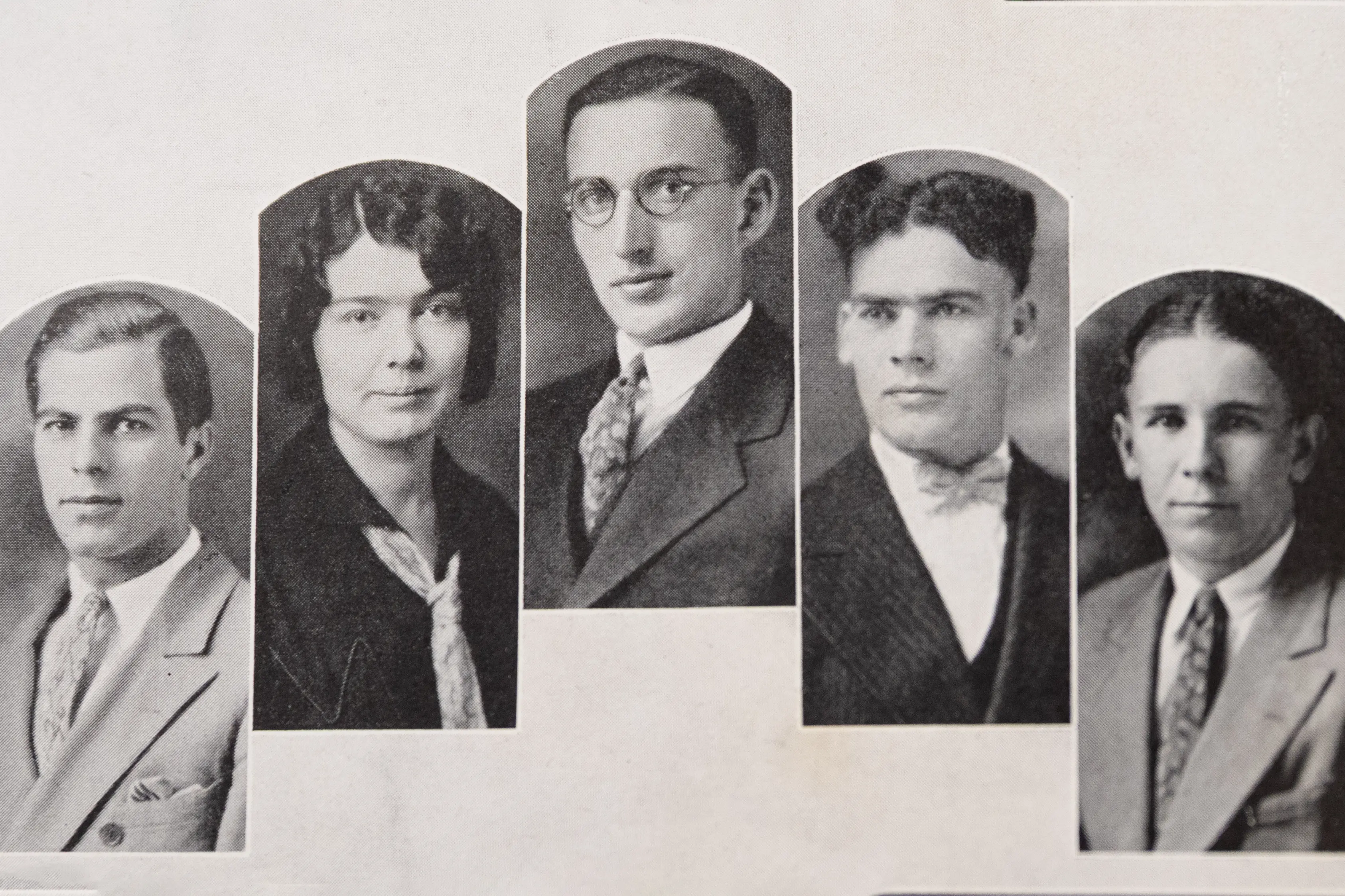
Pictured above: 1927 student government at Taylor University
While today it may feel natural for students to have a voice on campus, this was not always the case. Just over a century ago, student government had yet to be established at Taylor University. In the 1920’s, President John Paul cast a vision that would establish a path for the future, launching a legacy of student leadership that has shaped the campus for 100 years.
On April 24, Taylor will mark this milestone, honoring those who have served and led across generations, celebrating past and present student leaders.
The Creation of Student Government
The early 1920s brought conversations across the United States about giving students an organized voice on college campuses. At Taylor, the conversation gained traction after an article in The Echo, Taylor's student newspaper, highlighted the need for student government, an idea President John Paul had already been considering.
In May 1926, President Paul announced a faculty-approved plan establishing a five-member council, with student representatives elected by their peers. That fall, the Council officially formed, serving as a liaison between students, faculty, University leadership, and the Board of Trustees.
Since its founding in the fall of 1926, student government has remained a driving force at Taylor University, with early successes including extending Christmas break through the New Year and advocating for longer student activity hours on Saturday nights.
Over time, the organization evolved—including name changes from Student Council to Student Government Organization and now Taylor Student Organization (TSO)—but the commitment to student representation has remained the same.
60 Years Later
In 1986, Dave Steiner '86 was leading student government, following other leadership roles including Senator for Samuel Morris Hall. He fondly remembers a project that was a major win with the administration. Many of the residence hall parking lots were gravel, Steiner recalls. His leadership council pressed the administration to pave the lots, and the administration made it a capital priority. At the time, it was a quality-of-life improvement for students.
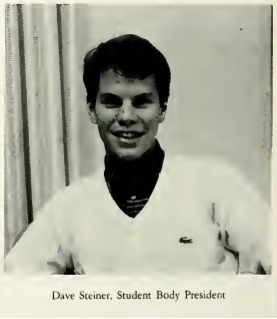
For Steiner, serving in student leadership at Taylor was far more than a role—it was a season of growth and connection. From walking alongside fellow students and advocating for meaningful campus improvements to being mentored by Dr. Jay Kesler and retired President Dr. Milo Rediger, Steiner’s experience shaped both his character and calling, laying a foundation that would carry him to law school and eventually to his career as an attorney in Fort Wayne.
Reflecting on that time, Steiner shared, “It showed me that leadership begins with being others-focused and listening. Those moments of service and spiritual investment continue to guide me today.”
70 Years Later
Across the decades, TSO continued to strengthen its role as a bridge between students and University leadership. By 1995, the organization had grown significantly and Heather Larson ’96 was at the helm as Student Body President.
“As I look back on my time serving as student body president, I have immense gratitude for Dr. Jay Kesler and Dr. Daryl Yost,” said Larson. “They mentored me and gave me hands-on experience through their distinct roles as president and provost.”
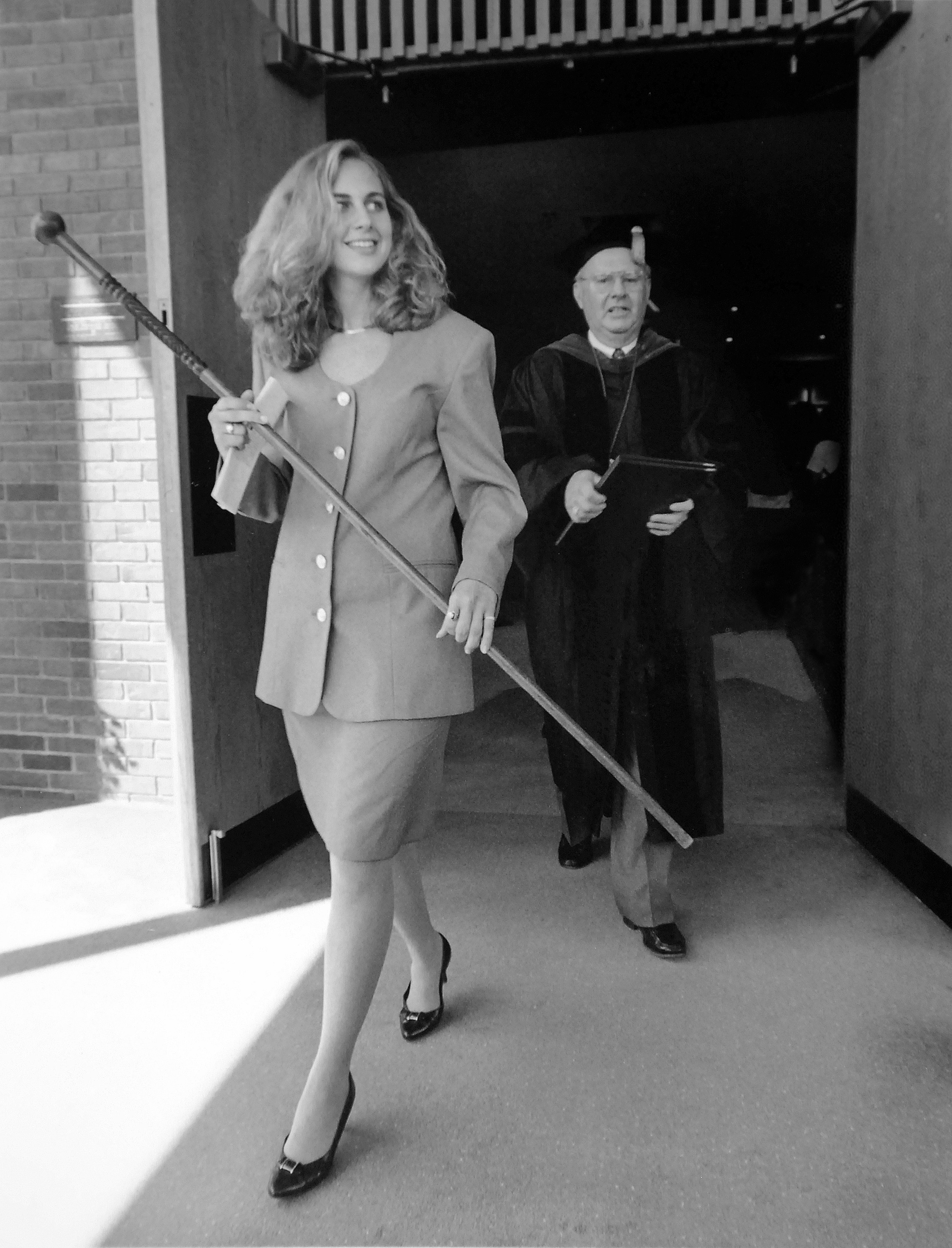
That mentorship shaped her well beyond graduation. Now founder of LiveGive and a member of Taylor University’s Board of Trustees, Larson credits those experiences with helping her develop leadership skills, inspire organizations, and care for people well.
100 Years Later
Today, a century into its legacy, opportunities for student leadership continue to grow.
In addition to the Office of the Student Body President, including a Vice President and Secretary, students can engage in leadership through the Student Senate, Student Activities Council (SAC), and Inter-Class Council (ICC). These opportunities foster both personal and professional growth while emphasizing servant-leadership, a core value of Taylor.
“Throughout the past 100 years, strategies and structures have evolved, but our conviction remains the same: following the way of Jesus with humility and steadfastness is the surest road to healthy leadership,” said Steve Austin, Associate Dean of Student Leadership.
Austin, himself a former student leader at Taylor, has watched generations of students graduate and go on to serve.
“What I value most is seeing our student leaders become Christian professionals, caring community members, and loving parents and friends living in a complex world,” Austin said. “It has been a joy to learn, grow and walk with students as they discover how to lead well.”
The Legacy
From the University’s first Student Council Chairman John Shilling to today’s Student Body President Michael Hoover, Taylor’s legacy of student leadership continues to unfold.
“To me, Taylor’s legacy of student leadership shows that we are capable of much more than we realize,” Hoover ‘26 said. “We don’t have to wait until later in life to make a meaningful impact. I am incredibly grateful for all the student leaders who came before me and demonstrated how leadership is an ongoing opportunity to learn, grow, and serve others.”
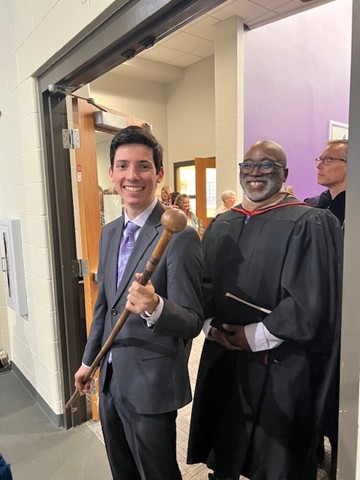
Rooted in Taylor’s mission to develop servant-leaders, the University’s investment in student leadership has impacted generations, and the momentum continues to grow. Whether building a bridge between administration and students, carrying out enduring traditions, or implementing their own unique initiatives, TSO consistently reflects the hearts of countless servant-leaders.
TSO is responsible for some of the richest traditions that embody the spirit of connection and shared experience that continue to shape the Taylor community including longstanding traditions like Taylathon—the bicycling relay race between classes that boasts a 67-year history—and Airband—a choreographed group lip sync competition that has defined students’ spring semesters over the last 42 years.
For Heather Larson, the significance of this investment is both personal and missional, “Taylor has an incredibly long legacy of student leadership, and I love to see it growing stronger over time. I am so proud of the University and how it continues to shape kingdom-minded leaders who are influencing our world for Christ.”